
Samaritans in 2026
Monday, February 9, 2026
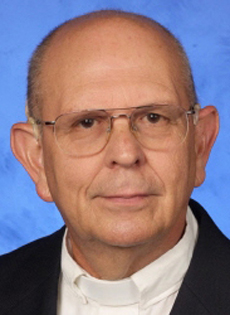
*Fr. Eduardo Barrios, SJ
Thirty-two years ago, Pope St. John Paul II established the World Day of Prayer for the Sick. He chose February 11, the feast day of Our Lady of Lourdes, because her shrine in France is visited by many sick pilgrims seeking physical and spiritual healing.
Lourdes rivals other popular pilgrimage sites, such as Rome in Italy, Santiago de Compostela in Spain, Fatima in Portugal, and Guadalupe in Mexico.
Each year, the pope proposes a theme for this special day. This year, Pope Leo XIV offers the following: "The compassion of the Samaritan: loving by bearing another’s pain."
Most reasonably educated people know that the term "Good Samaritan" refers to those who help the fallen. They help the wounded, the sick, orphans, widows, the poor, and all kinds of marginalized people. However, many are unaware that the name originates from a parable found exclusively in the Gospel of St. Luke, chapter 10, verses 30 to 37.
In various parts of the world, there are hospitals called Good Samaritan. Examples include the Good Samaritan Medical Center in West Palm Beach, Florida, and the Good Samaritan Hospital in Aguadilla, Puerto Rico.
Concern for the welfare of the sick is one of the corporal works of mercy. This concern is also mentioned in the examination of the final judgment. To those who visit the sick, the just and merciful divine judge will say: "Come, you who are blessed by my Father, inherit the kingdom prepared for you since the creation of the world" (Matthew 25:34).
Some sick people are well cared for by doctors and nurses, yet they suffer greatly from isolation and loneliness. This is why it is important to visit or call the sick so they feel accompanied.
We cannot divide humanity into two categories: healthy and sick. We all belong to the category of the sick because there is no one who has never been sick; illness concerns everyone. As we grow older, ailments worsen, and life becomes a climb up Calvary.
People of religious faith pray when they or their loved ones become ill.
A young man asked an elderly priest if he prayed for himself when he was sick. The priest replied: "Yes, I ask God to grant me the health that is right for me." It was a wise answer, for only God knows what degree of health is right for each person. St. Claude La Colombiere fell ill with lung disease at a young age and died from it. He said he thanked God for falling ill because of the great spiritual growth he experienced after becoming sick.
God gave us the instinct of self-preservation, so it is only natural to want a cure when we fall ill or have an accident.
However, people of religious faith must keep in mind that one day, the "final illness" will come. A clinical diagnosis shows that the patient is terminally ill. At that point, we must resort to palliative care to make the patient's final days more bearable. There is a service for these patients at home called “hospice.” Former President Jimmy Carter, a devout Christian, requested home hospice care instead of hospitalization.
We must accept the irreversible loss of physical health and seek spiritual health at the end of our earthly pilgrimage. We are comforted by St. Paul's words: "Even though our outer nature is wasting away, our inner nature is being renewed day by day" (2 Cor. 4:16).