
Pope Leo XIV’s Marian devotion and the power of the rosary as a source of faith and peace
Leo XIV, a Pope deeply devoted to Mary
Wednesday, October 14, 2026
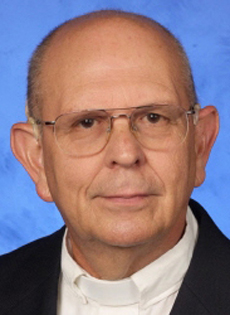
*Fr. Eduardo Barrios, SJ
Two days after his election on May 8, 2025, Pope Leo XIV showed his Marian spirituality by visiting the Shrine of Our Lady of Good Counsel on the afternoon of May 10. The church is located in Genazzano, not far from Rome, and is entrusted to his fellow Augustinian friars.
Upon returning to Rome, he stopped at the Basilica of St. Mary Major to pray before the image of the patroness, Mary Salus Populi Romani (Salvation of the Roman People). He has visited the basilica many times, as did his predecessor, Pope Francis.
Pope Leo XIV’s most recent visit to Our Lady of Good Counsel took place Sept. 7, on the eve of the feast of the Nativity of the Blessed Virgin Mary.
As a gesture of Marian devotion, the pope urged the faithful last year to pray the rosary during October for peace in the world. Throughout this year, he has taken many opportunities to pray the rosary with Catholic faithful.
October became the month of the rosary through the initiative of Pope Leo XIII, who established it on Sept. 1, 1883, with the encyclical Supremi apostolatus officio (On the Supreme Apostolate).
The practice of praying the rosary began centuries ago when St. Dominic de Guzmán had a mystical experience in 1208 that inspired him to begin this Marian devotion. The word “rosary” means “crown of roses.” The Order of Preachers, founded by St. Dominic and commonly known as the Dominicans, helped spread this Marian prayer throughout the world.
The original rosary was not exactly like the one we know today. It evolved over time until a Dominican pope, St. Pius V, gave it the form that endured from 1571 until the beginning of this century. The rosary consisted of three groups of mysteries taken from the Gospels: the joyful, sorrowful and glorious mysteries.
Pope St. Pius V called on Catholic faithful to pray the rosary to stop the Muslim advance into Europe. The decisive battle involving the Catholic fleet took place at Lepanto on Oct. 7, 1571. For that same reason, the Dominican pope added the feast of Our Lady of the Rosary to the Roman Missal.
From the late 16th century to the present day, all popes, without exception, have prayed and promoted the rosary.
The rosary expanded when Pope St. John Paul II added five new mysteries drawn from the public life of Jesus, which he called the luminous mysteries.
The rosary can be prayed in different ways. One of them was devised by Archbishop Fulton J. Sheen, beatified this past Sept. 24. It consists of offering each decade of the rosary for the Church’s evangelizing mission on the five continents: Africa, the Americas, Asia, Europe and Oceania. Pope St. John XXIII had a devotion to this form of the rosary.
The rosary has proved valuable because it can be prayed by people with little formal education as well as by intellectuals. It can be described as a vocal prayer. The Our Father, Hail Marys and Glory Be are recited aloud or quietly. But it is also a mental prayer, because those who pray it can contemplate the 20 principal mysteries or episodes in the lives of Jesus and Mary according to the four Gospels.
Those who pray the rosary testify that this rhythmic prayer brings them great inner peace, something much needed in today's world, so full of turmoil. They also affirm that the rosary strengthens their faith and weakens the power of the Evil One's temptations.
Finally, it is comforting to know that indulgences are attached to the rosary, bringing special graces to the living and the dead.