
En un tiempo de debate litúrgico, la respuesta está en cómo celebramos
La Misa no nos atrae. Nos eleva
Monday, May 4, 2026
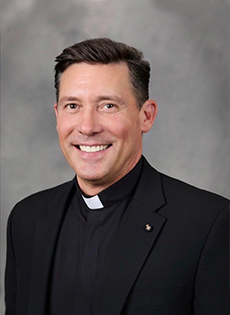
*Fr. Richard Vigoa
En algún lugar, en una parroquia que nunca has oído nombrar, un sacerdote eleva una pequeña Hostia blanca sobre el altar. Suena una campana. Un niño levanta la mirada. Una mujer que no ha ido a Misa en veinte años se encuentra, sin saber exactamente por qué, de rodillas. Vino porque su hermana se lo suplicó. Se quedó porque algo en esa Hostia elevada comenzó a mirarla.
Eso sucede. Sucede todos los días, en seis continentes, en el rito que la Iglesia llama el Missale Romanum, el Misal Romano reformado después del Concilio Vaticano II. Lo que la mayoría simplemente llamamos el Novus Ordo. La Misa de San Pablo VI.
Menciono esto porque, en semanas recientes, ha estado circulando una afirmación distinta. En una entrevista reciente, el Superior General de la Sociedad de San Pío X llegó a decir que el Novus Ordo tiene una “incapacidad intrínseca para formar y edificar almas”, una frase que ha sido retuiteada, compartida y amplificada. Basa esa afirmación en el argumento de que la liturgia en sí misma debería ser suficiente para formar almas, como lo fue durante siglos, y que la necesidad actual de una formación previa extensa, junto con el descenso en la práctica después del Concilio, revela un fracaso en el rito reformado.
Es una afirmación seria. Y plantea una pregunta seria: ¿la Misa a la que asistimos cada domingo está realmente haciendo lo que se supone que debe hacer?
Una afirmación seria y una pregunta necesaria
Quiero responder a esa pregunta con cuidado, porque merece más que un eslogan, y porque, como sacerdotes, hemos pasado años observando lo que la Misa realmente hace en la vida de las personas.
En mi trabajo en liturgia y evangelización, me hacen una versión de la misma pregunta una y otra vez: ¿por qué tantos jóvenes católicos se sienten atraídos por expresiones más tradicionales, y por qué algunas de nuestras parroquias parecen, a veces, cansadas? Es la pregunta correcta. Simplemente creo que la hemos estado respondiendo mal. Permítanme comenzar con algo que, a primera vista, puede sonar como una concesión.
Los críticos no están equivocados en todo. La belleza importa. El silencio importa. La reverencia importa. La trascendencia evangeliza. Cuando la Misa se apresura, cuando se “actúa”, cuando se construye alrededor de la personalidad del hombre en el altar, cuando la música cojea y la homilía divaga y los fieles perciben que lo que presencian es más un evento que un encuentro, algo se ha perdido. Y lo que se ha perdido no es el rito. Es aquello para lo que el rito existe.
Donde los críticos tienen razón
El papa Francisco señaló esto en 2022, en su carta apostólica Desiderio Desideravi, escrita precisamente para abordar las polémicas en torno a la liturgia. Advirtió sobre estilos de presidencia heridos por lo que llamó “un acentuado personalismo del estilo celebrativo”. Sacerdotes que apresuran la Misa, o la convierten en espectáculo, o la reducen a una estética personal, o la enfrían con distanciamiento. Presentó una lista contundente de estos estilos, uno junto al otro, y esa lista se lee como un examen de conciencia para todo sacerdote del Rito Romano. Ese diagnóstico no fue escrito por un bloguero tradicionalista. Fue escrito por el Obispo de Roma.
El papa León XIV lo ha dicho nuevamente, con su propia voz. El pasado noviembre, en la fiesta de la Dedicación de San Juan de Letrán, llamó a la Iglesia a una renovada reverencia en la liturgia, a una fidelidad a la sobria solemnidad de la tradición romana. Cerró la homilía con una frase de San Agustín: “La belleza no es otra cosa que el amor, y el amor es la vida”.
Dos papas consecutivos nos están diciendo que el rito romano moderno, cuando se celebra de manera superficial, no alimentará las almas que Dios ha puesto ante nosotros. El Magisterio no es defensivo en este punto. Nos está llamando a algo más alto.
La Misa no se trata de nosotros; es el Calvario
Pero aquí es donde termina la crítica y comienza la tradición católica.
La Misa no existe para atraernos. La Misa existe para elevarnos. Hemos pasado dos generaciones evaluando la liturgia con la pregunta equivocada. Hemos preguntado si engancha, si inspira, si atrae. No son malas preguntas. Simplemente no son las primeras. La primera pregunta de la Misa no es lo que la Misa hace por nosotros. La primera pregunta de la Misa es lo que la Misa hace. Punto. Y lo que hace es el Calvario.
El venerable Fulton Sheen, cuya beatificación tendrá lugar este septiembre en San Luis, nos dio quizá la descripción más clara jamás escrita en inglés. El sacrificio de Cristo no es un recuerdo que revisitamos. Es una realidad presente en la que entramos. La imagen de Sheen es inolvidable. Describe al sacerdote en el altar como “el sumo sacerdote Cristo que sale de la sacristía del cielo hacia el altar del Calvario”. La Hostia es el Cuerpo. El vino es la Sangre. La casulla es la cruz. Y los fieles en los bancos no son el público. Son la ofrenda.
Esto no es una abstracción teológica. Es la doctrina que definió el Concilio de Trento, que reafirmó el Concilio Vaticano II, y que Sacrosanctum Concilium colocó en el corazón de la vida de la Iglesia. La Misa es el mismo sacrificio que el Calvario, ofrecido ahora de manera incruenta, con Cristo mismo como Sacerdote y Víctima. El pan ya no es pan. El vino ya no es vino. Él está ahí: cuerpo, sangre, alma y divinidad.
Eso es lo que es el Novus Ordo. Eso es lo que es toda Misa católica válidamente celebrada en la faz de la tierra: el Cordero de Dios, inmolado y resucitado, presente. Decir que este rito tiene una incapacidad inherente para edificar almas es decir algo que la tradición católica no puede decir. Porque es decir que Cristo mismo, hecho verdaderamente presente en las especies eucarísticas, carece del poder para edificar. Y eso, hermanos y hermanas, nunca lo concederemos. Ni en ningún rito. Ni en ningún siglo. Ni en ningún idioma.
Entonces, si la pregunta es si la Misa convierte los corazones, les daré la respuesta honesta de un sacerdote que ha pasado su ministerio viendo cómo sucede en tiempo real. ¡Sí!
He visto personas entrar a Misa cargando años de distancia de la Iglesia, y he visto algo abrirse en ellas, no por una homilía perfecta o una música impecable, sino porque encontraron algo real en el altar. He visto estudiantes universitarios, criados con sospecha hacia la Iglesia, arrodillarse en una procesión eucarística y llorar sin saber por qué. He visto hombres que habían arruinado sus vidas hacer fila con profunda emoción para recibir la comunión en una Misa de retiro. Nada de eso ocurrió en una Misa solemne perfectamente ejecutada. Ocurrió en el Novus Ordo, celebrado con reverencia, con silencio, con cuidado.
El problema no es el rito; es cómo lo celebramos
La belleza hace eso. La reverencia hace eso. El Señor hace eso. Entonces, ¿cuál es el llamado?
El llamado no es abandonar el rito que la Iglesia nos ha dado. El llamado no es refugiarnos en una sociedad paralela. El llamado es celebrar la Misa que tenemos de tal manera que Cristo se haga visible. Él se ha ligado a las manos del sacerdote, a la voz del cantor, al ritmo del monaguillo, al silencio que guardamos o dejamos de guardar. Ha hecho del rito su instrumento. Nosotros hemos hecho del rito, demasiado a menudo, nuestra plataforma.
A mis hermanos sacerdotes: bajemos el ritmo. La manera en que celebramos la Misa importa más de lo que a veces creemos. La Plegaria Eucarística no es algo que hay que atravesar, es algo en lo que hay que entrar. Rézenla. Déjenla respirar. Los fieles saben, muchas veces sin poder explicarlo, cuándo estamos rezando y cuándo simplemente estamos recitando.
A los párrocos y consejos parroquiales: hagan lo que puedan, pero háganlo bien. Toda parroquia, sin importar sus recursos, puede celebrar la liturgia con cuidado. Formen a las personas que ya tienen. Inviten a quienes aman a la Iglesia a asumir responsabilidad: en la música, en la proclamación, en la preparación de los vasos sagrados y los ornamentos. Cuando la gente ve que la Misa importa, da un paso al frente. La liturgia no requiere lujo, pero sí requiere intención.
A los fieles: no permitan que un tuit, o un hilo, o una entrevista viral decida por ustedes lo que es la Misa. Pongan a prueba esa afirmación frente a lo que sus ojos han visto. Pruébenla frente al santo que está arrodillado a su lado. Pruébenla frente a los milagros eucarísticos. Pruébenla frente a los santos, como el santo Cura de Ars, que lloraba en las palabras de la consagración, no por una forma particular, sino porque sabía lo que estaba sucediendo en el altar: que Jesucristo se hace verdaderamente presente bajo las apariencias de pan y vino. Y esa es la pregunta que debemos enfrentar: ¿creemos que en cada Misa, Cristo mismo actúa a través del sacerdote para hacer presente ese sacrificio?
La Misa no está rota. Pero algo sí lo está. Lo que está roto es, a veces, nuestra preparación, a veces nuestra reverencia, a veces nuestra música, a veces nuestra predicación, a veces nuestro silencio. Eso podemos arreglarlo, con la gracia de Dios, este mismo domingo. El Señor, que no ha abandonado el altar, solo espera que volvamos a él con la seriedad que el don merece.Porque la Misa no necesita atraer a nadie.
Él ya está ahí. Solo nos pide que nos dejemos elevar.


Comments from readers