By Florida Catholic staff - Florida Catholic
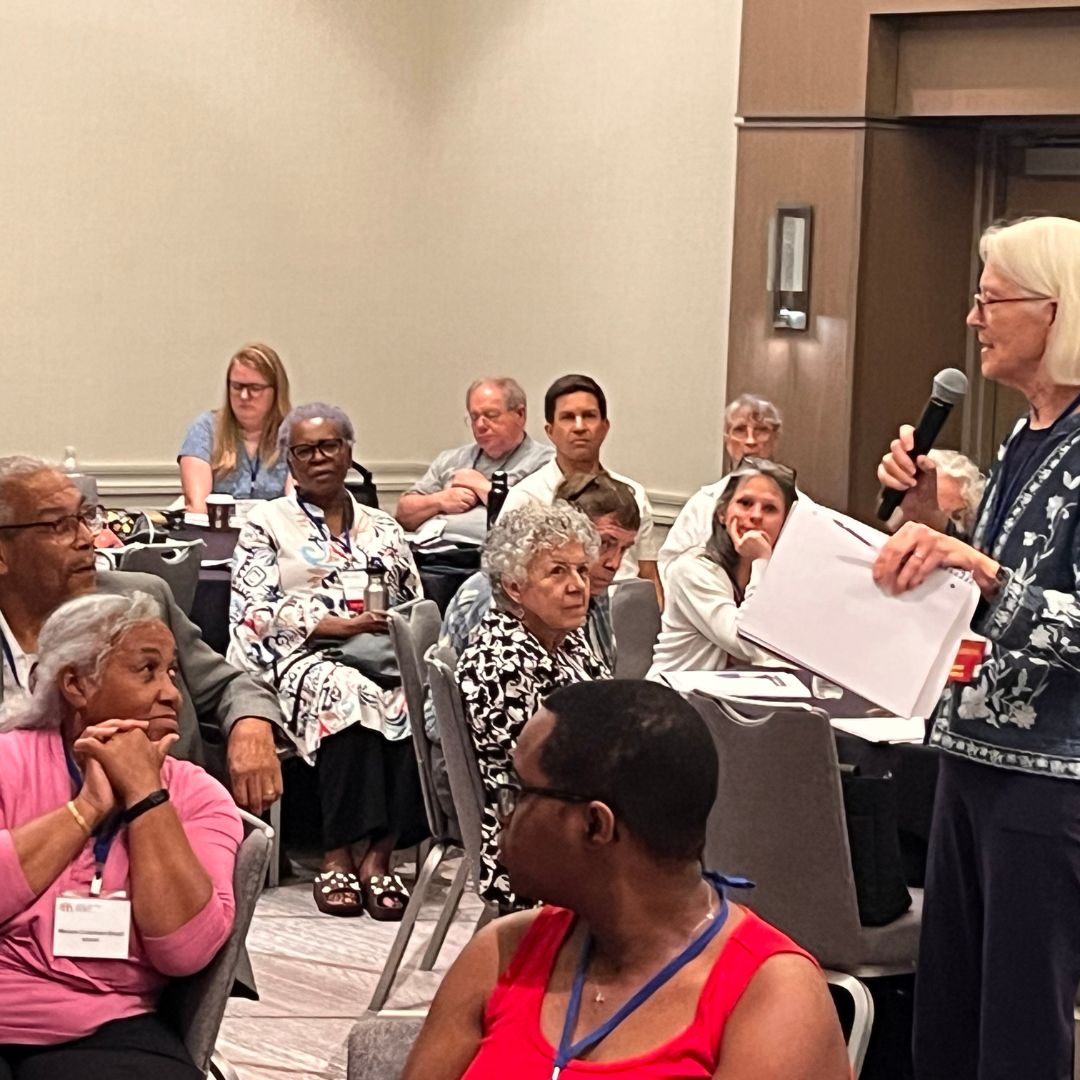
LAKE MARY | More than 300 clergy and lay leaders gathered in Lake Mary, Florida for the DART Network's annual Justice Ministry Conference, including a significant number of Catholic priests, deacons, religious, and parish leaders from across the United States. Participants returned home equipped to strengthen parish justice ministries and work alongside their neighbors to address affordable housing, public safety, mental health, education, and other serious community challenges.
The DART Network (Direct Action and Research Training) is one of the nation's largest faith-based community organizing networks, equipping congregations to build the power of organized people to pursue justice. The conference July 21-24 brought together leaders representing Catholic, Protestant, Jewish, and other faith traditions who share a common conviction: faith calls people not only to serve those in need, but to work together to address the systems that create those needs.
Unlike organizations that focus on a single issue, the DART Network equips clergy and lay leaders to build long-term leadership capable of identifying local priorities, developing new leaders, and organizing sustainable campaigns that create systemic change.
Reflecting the growing diversity of the Catholic Church, portions of this year's conference were offered in both English and Spanish. Simultaneous interpretation and bilingual training allowed Spanish-speaking clergy and lay leaders to participate fully, strengthening relationships across congregations and ensuring leadership development is accessible to all.
"As the Hispanic population continues to grow across the United States, so does the need for leaders who understand the unique challenges affecting their communities—from affordable housing and wage theft to immigration," said Father Wilfredo Contreras, pastor of San Isidro Parish in Pompano Beach, who was in attendance. "Equipping leaders in their own language ensures they clearly understand their role and are empowered to organize, build relationships, and hold public officials accountable for meaningful change."
Conference participants received practical training in relationship-building, one-to-one conversations, community listening, leadership development, power analysis, and strategic public action. These tools help congregations identify the concerns most affecting local families and organize effective, lasting solutions rooted in relationships and shared values.
"Our faith calls us not only to care for those in need but also to work together to build communities where every person can flourish," said John Aeschbury, executive director of the DART Network. "When congregations organize, they become powerful witnesses for justice, bringing people together to seek the common good and create lasting change."
The conference celebrated victories from across the DART Network that demonstrate what organized faith communities can accomplish. One of those victories came from Broward County, Florida, where BOLD Justice helped secure $28 million for affordable housing after years of persistent organizing and relationship-building.
Conference participants also heard other stories from affiliated organizations across the country that have organized successful campaigns addressing affordable housing, public safety, criminal justice reform, mental health services, education, transportation, environmental justice, and other issues identified through community listening.
Donna Logwood, a leader with RISC (Richmonders Involved to Strengthen Our Communities) in Richmond, Virginia, reflected on the impact of bringing leaders together for training.
"One of the greatest gifts of the Justice Ministry Conference is the opportunity to learn from leaders across the DART Network who have faced many of the same challenges we face in Richmond," she said. "Hearing their stories reminds us to stay disciplined, keep learning, and never lose sight of why we do this work."
The DART Network believes that justice ministry is not another program of the church—it is one way the church lives out its mission in the world. Following the conference, participants returned to communities across the country with new skills, renewed relationships, and a shared commitment to building stronger congregations and more just communities. In the coming months, they will organize listening campaigns, identify local priorities, and work alongside neighbors to pursue lasting solutions rooted in faith, hope, and collective action.